by Vegas Writer
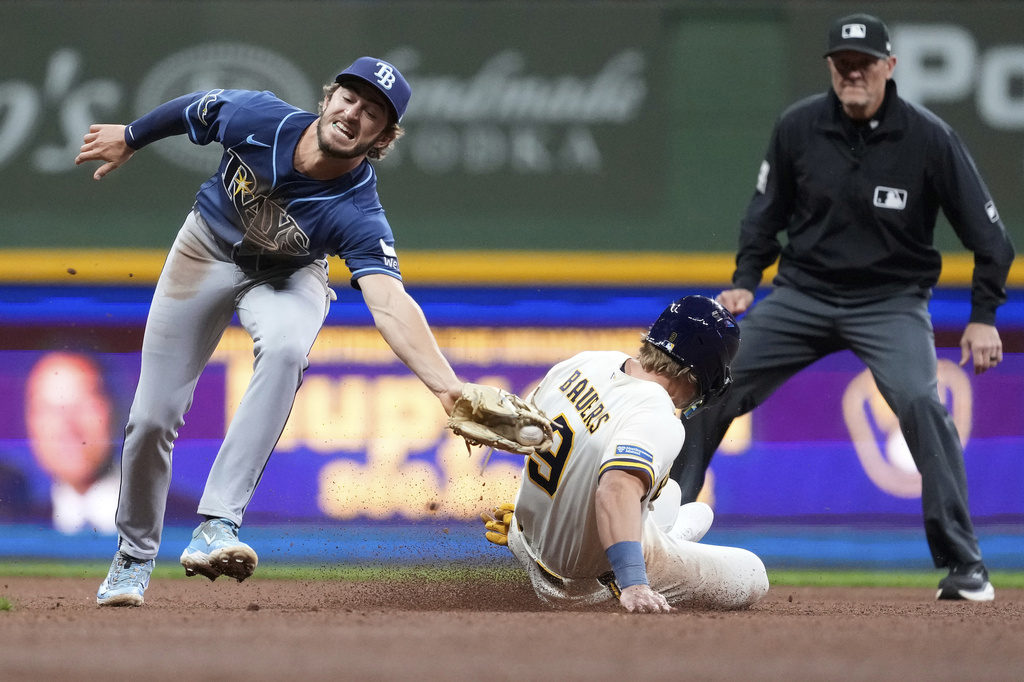
Friday, Oct 23, 2026A first championship awaits either the Milwaukee Brewers or the Tampa Bay Rays, two franchises whose limited head-to-head history is about to give way to their most consequential meeting.
Milwaukee finished 103-59, the best in MLB, while Tampa Bay went 98-64 to secure the American League’s top seed. The Brewers are making their second World Series appearance and first since losing to St. Louis in seven games in 1982. The Rays return for the third time after falling to Philadelphia in five games in 2008 and the Dodgers in six in 2020.
The Brewers hold a 15-13 all-time series lead, including two wins in three meetings this season. All three games were played in Milwaukee from March 30 through April 1. Tampa Bay won the opener 3-2, then the Brewers answered with 6-2 and 8-2 wins, outscoring the Rays 16-7 overall.
Both teams also succeeded against the opposite league. Milwaukee went 32-16 against American League opponents, tying Pittsburgh for baseball’s best interleague record. Tampa Bay finished 27-21 against National League competition.
Now comes a matchup between Milwaukee’s offensive depth and powerful bullpen and Tampa Bay’s established rotation and exceptional defense, with one franchise guaranteed to celebrate its first World Series title.
Here is the Tale of the Tape of the 2026 World Series
STARTING PITCHING
Brewers: Jacob Misiorowski has the highest individual ceiling in the series. He led the majors in ERA and strikeouts during the regular season, and his triple-digit fastball can overwhelm hitters even when they know it is coming. The concern is efficiency. Misiorowski failed to complete five innings in either of his first two postseason starts. Tampa Bay doesn't have to score early to beat him; extending at-bats and increasing his pitch count could change the game. Logan Henderson finished the regular season with a 2.47 ERA and 0.84 WHIP, while Robert Gasser has allowed one earned run in nine postseason innings. Milwaukee has quality beyond its ace, but needs more length.
Rays: Drew Rasmussen, Freddy Peralta and Nick Martinez give the Rays a more established front three. Rasmussen posted a 2.67 ERA and 0.91 WHIP during the regular season. Peralta enters the postseason with a 1.08 ERA over 16.2 innings, while Martinez posted a 3.10 ERA in the regular season. Starting Martinez in Game 1 also gives Rasmussen and Peralta additional rest. The tradeoff is asking Martinez to handle Milwaukee’s lineup opposite its most overpowering starter. Milwaukee’s addition of Brandon Woodruff creates another option, but his absence from major league competition since July 4 makes his contribution difficult to project.
EDGE: TAMPA BAY ... While the Brewers have the most intimidating individual arm. The Rays offer greater confidence across multiple starting assignments.
BULLPEN
Brewers: This is Milwaukee's strongest category. Its bullpen enters with a 1.33 postseason ERA, and Aaron Ashby, Abner Uribe, Trevor Megill, DL Hall and JoJo Romero give Pat Murphy several ways to handle trouble. Ashby’s ability to cover multiple innings is particularly valuable. He can bridge an abbreviated start without forcing Murphy to use a different pitcher every inning. Uribe supplies strikeout potential with runners aboard, while Megill gives Milwaukee a dependable finish. The versatility matters against Tampa Bay’s lineup. Murphy can attack its most dangerous hitters when they appear, even if that confrontation comes well before the ninth inning.
Rays: Bryan Baker can match almost anyone in the late innings. He posted a 1.44 regular-season ERA and 41 saves, giving the Rays a reliable option to protect a late lead. Ian Seymour supplies length and a different look from the left side. Tampa Bay can also change arm angles and speeds instead of repeatedly facing similar power pitchers. The Rays’ best strategy is to make this a short bullpen assignment. Their starters must limit the number of outs required before Baker.
EDGE: MILWAUKEE ... The Brewers have more attractive options across more situations. Tampa Bay can narrow that advantage by winning the starting-pitching battle.
HITTING
Brewers: Milwaukee can build an inning without waiting for a home run. Their patience, contact and baserunning force opponents to execute repeatedly. William Contreras enters batting .367 with three postseason homers. Jake Bauers has delivered productive, extended plate appearances, while Brice Turang and Jackson Chourio add threats. Chourio represents a key opportunity for improvement. Milwaukee reached this point despite his 6-for-35 postseason performance. If he starts producing closer to his potential, an already difficult lineup becomes much harder to navigate. The Brewers must capitalize on hittable strikes. Waiting out Tampa Bay’s pitchers becomes less productive if they consistently establish favorable counts.
Rays: Junior Caminero is the Rays’ most imposing individual power threat, hitting 42 regular-season homers. Yandy Díaz brings a .905 postseason OPS, while Jonathan Aranda adds another substantial run-producing bat. Tampa Bay also finished with the lowest regular-season strikeout rate in baseball. That makes its confrontation with Milwaukee’s power arms especially compelling. Putting difficult pitches into play can extend innings, advance runners and increase defensive pressure. The concern is how much responsibility falls on the primary run producers. The Rays need contributions around them to keep Murphy from stacking his preferred relief matchups against the same part of the lineup.
EDGE: MILWAUKEE (slightly) ... I prefer the Brewers’ distribution of offensive threats. Tampa Bay has enough top-end impact to quickly erase that advantage.
DEFENSE
Brewers: Turang anchors the middle infield, while Joey Ortiz, Cooper Pratt and an athletic outfield give Milwaukee strong defensive personnel. Ortiz finished the regular season with eight outs above average at third base. Against Tampa Bay’s speed, sound decisions will matter as much as range. Holding a ball when an out is unavailable can keep a difficult inning from becoming damaging.
Rays: The Rays excel at converting contact into outs. Opponents hit .379 on hard-hit balls that remained in play, the best defensive result of the Statcast era. Taylor Walls supplies substantial value at shortstop, while Tampa Bay’s outfield range can erase potential extra-base hits. That directly challenges Milwaukee’s approach at the plate. The Brewers might execute a productive plate appearance and still get nothing if Tampa Bay consistently closes the available gaps.
EDGE: TAMPA BAY ... The Rays’ ability to take hits away could be decisive in games with limited scoring opportunities.
INTANGIBLES
Brewers: The Brewers won 103 regular-season games and enter the series 4-0 at home this postseason. They averaged an MLB-leading 5.5 runs per home game during the regular season. Home field matters: Milwaukee gets the final at-bat in four potential games, including Games 6 and 7. The extended break after the NLCS also allowed its heavily used bullpen to recover.
Rays: The Rays have just navigated a six-game ALCS against Cleveland after sweeping the Yankees. They have recently handled the adjustments and pressure of a longer series. Their opportunity is to capitalize immediately if Milwaukee needs time to regain its offensive timing. An opening split would give Tampa Bay a favorable three-game stretch.
EDGE: MILWAUKEE (slightly) ... Home field and a rested bullpen give the Brewers the more tangible advantages.
COACHING
Brewers: Murphy has the bullpen personnel to manage aggressively. He can prioritize the most dangerous confrontation instead of reserving every important arm for a specific inning. His toughest assignment is balancing today’s need against tomorrow’s availability. Repeatedly using several premium relievers to cover short starts could become costly during the three-game stretch in Tampa Bay.
Rays: Kevin Cash brings previous World Series managerial experience and a roster suited to matchup decisions, defensive substitutions and changes in pitching style. His most consequential decisions could involve how long to trust an effective starter. Removing one too early could expose the middle relief; waiting too long could allow Milwaukee to turn a patient inning into a breakthrough.
EDGE: EVEN ... Cash has the World Series experience. Murphy has greater bullpen flexibility. Both have the personnel to influence a close game beyond the starting lineup.
OVERALL PREDICTION: MILWAUKEE IN SEVEN GAMES
Tampa Bay has a convincing championship formula: quality starts, exceptional defense and timely production from Caminero, Díaz and Aranda. That combination should keep the Rays competitive throughout the series. Milwaukee gets my selection because its lineup offers more avenues to sustained pressure and its bullpen provides more ways to protect a narrow advantage. The deciding variable is starting-pitcher length. If Tampa Bay repeatedly forces Milwaukee into relief before the fifth inning, the Rays can gradually undermine the Brewers’ greatest strength. Milwaukee needs enough efficient innings from Misiorowski, Henderson and Gasser to keep Murphy’s preferred options available. I expect both teams to win games through pitching and execution, with neither establishing lasting control. In a deciding game at Milwaukee, I trust the Brewers’ relief depth and final at-bat to make the difference.
PREDICTION: BREWERS 4, RAYS 3.
