by Nelly's Sports
Monday, Jun 29, 2026As we reach the final days of the month of June, the sample sizes are now large enough to identify the starters whose impressive surface numbers are telling a very different story than the underlying data. These four American League pitchers have delivered results that are simply unlikely to hold as the second half approaches and should be on your radar to fade in some upcoming opportunities.
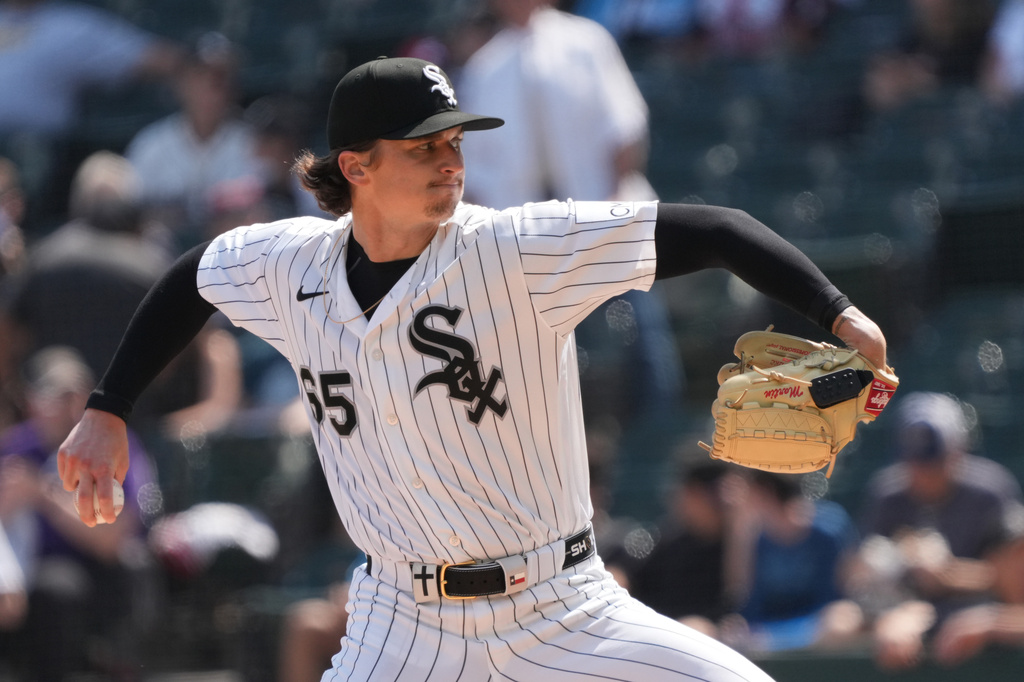
Davis Martin – Chicago White Sox
The feel-good story of the 2026 season may have already started to unravel. Davis Martin entered June as a great story for the surprising White Sox, carrying a 2.00 ERA into his June starts, ranking sixth best in the majors among qualified starters, while his 2.31 FIP sat fourth best, a rare case where the peripheral numbers seemed to validate the surface results. The right-hander deserves real credit for an overhauled pitch mix and an arsenal that keeps hitters genuinely off balance, but June has started showing the cracks. Martin’s numbers took a big hit after he allowed nine runs against the Yankees in mod-June and while he has bounced back in his last two starts vs. struggling AL Central foes, he has allowed four or more runs in three of his last six starts. Martin is a legitimate mid-rotation starter who has made real improvements, but the Cy Young–caliber version of him that dominated May was built on a schedule that included very few starts against winning teams, and the gap between his home and road splits is severe at this point in the season.
Patrick Corbin – Toronto Blue Jays
It seems like a distant memory now, but Corbin was pitching well enough in April and early May to earn a rotation spot on an injury-ravaged Toronto team that desperately needed warm bodies. At one point this season, he carried a 3.78 ERA, 1.27 WHIP and a nearly 3:1 strikeout-to-walk ratio. The problem is that Corbin is 36 years old and has been running on fumes and good fortune for most of his career since his nine-figure Washington contract. His June has been a disaster so far with an 8.69 ERA across five starts, unable to make it past five innings in any of those outings. His average exit velocity against sits at 89.1 mph with a hard-hit rate of 43.3% and a wOBA allowed of .358, contact quality numbers that suggest hitters will have success against him. Toronto has been in perpetual emergency mode all season long, and Corbin has been a serviceable placeholder, but his days as a playable arm in this rotation are likely numbered.
Zebby Matthews – Minnesota Twins
Zebby Matthews has generated a buzz since his call-up and his surface numbers in his short stint at the big-league level look impressive. After his first three starts he carried a 2.37 ERA and 0.84 WHIP with an 8.1 K/9, the kind of line that gets a rookie noticed in a hurry. The problem is the supporting data tells a more cautious story. His FIP already sits at 4.94, suggesting the results have been prettier than the underlying performance warrants. That gap is consistent with a track record that has followed Matthews throughout his professional career. In his previous big-league exposure last season, he maintained above average strikeout and walk rates, yet still struggled to a 5.56 ERA with a 1.49 WHIP, with a .357 BABIP doing significant damage to his numbers. The current sample also comes with important context: Matthews had posted a 4.72 ERA and 1.52 WHIP over seven AAA starts to begin the 2026 season before his call-up, suggesting his MLB debut results are more likely a reflection of a small hot sample than a genuine breakout. His average exit velocity allowed of 89.5 mph and hard-hit rate of 39.1% point to contact quality that will catch up with him as lineups get a second and third look at his stuff. Matthews has legitimate upside down the road but treat his current numbers with significant skepticism and he should be a fade consideration in any meaningful matchup against a quality offense.
Cal Quantrill – Texas Rangers
Quantrill has bounced around organizations in recent years for good reason as his skill set is extremely narrow and his margin for error is essentially zero. After signing a minor league deal with Texas in January and getting stretched out in Triple-A, the Rangers selected his contract in April to address bullpen depth needs, and he has since worked his way into the rotation. The right-hander is a pitch-to-contact sinker/cutter operator who has never been a strikeout threat. His career 6.7 K/9 is one of the lower marks among active starters, and a pitcher with that profile lives and dies entirely by the quality of contact he generates and the sequencing luck that follows. Any run of success from Quantrill is almost always accompanied by an absurdly low BABIP, and history shows it never lasts. His previous stops in Colorado and Miami confirmed what the numbers long suggested, without elite location and a favorable defensive alignment behind him, Quantrill gets hit hard and often. Consider him fade material in any meaningful betting context for the remainder of the season if he continues to keep a rotation spot.
